Firex i4618AC Smoke Alarm: A Comprehensive Guide
Welcome! This detailed manual provides essential guidance for maximizing your Firex i4618AC smoke alarm’s performance. Discover insightful tips and unlock its full potential for enhanced safety and peace of mind.
The Firex i4618AC smoke alarm is a crucial component of any home safety plan, designed to provide early warning in the event of a fire. This guide serves as a comprehensive resource, unlocking the hidden potential of your new alarm and ensuring optimal functionality. It’s built with advanced sensing technology to detect both fast-flaming and smoldering fires, offering broad-spectrum protection for you and your family.
Choosing a reliable smoke alarm is a significant step towards safeguarding your home. The i4618AC model is engineered for dependable performance and ease of use. This manual will walk you through everything from initial inspection and installation – covering both hardwired and battery backup configurations – to understanding alarm signals, maintenance, and troubleshooting.
Thank you for selecting Firex. We are committed to providing you with a high-quality product and the information needed to utilize it effectively. Explore the possibilities within this guide to create a safer living environment. Your safety is our priority, and this manual is designed to empower you with the knowledge to protect what matters most.
Key Features and Specifications
The Firex i4618AC smoke alarm boasts several key features designed for superior fire detection and user convenience. It utilizes photoelectric sensing technology, effective at detecting smoldering fires which often produce little visible smoke. This alarm is suitable for both residential and institutional applications, offering versatile protection.
Specifications include: A 120V, 60Hz hardwired power source with a 9V battery backup for continuous operation during power outages. It features a loud 85dB audible alarm, ensuring clear notification throughout your home. The alarm also incorporates a test button for easy functionality checks and a low-battery warning chirp to prompt timely battery replacement.
Furthermore, the i4618AC is designed for interconnectivity with other compatible Firex alarms, allowing for a synchronized alarm response throughout the building. Its durable construction ensures long-lasting performance, and it meets relevant safety standards. The alarm’s compact design allows for discreet installation in various locations. Understanding these features is crucial for maximizing the alarm’s protective capabilities.
Package Contents & Initial Inspection

Upon receiving your Firex i4618AC smoke alarm, carefully inspect the package contents to ensure all components are present and undamaged. Your package should include the Firex i4618AC smoke alarm unit itself, mounting hardware – typically including screws and anchors – and this comprehensive instruction manual. A test battery may also be included for initial testing purposes.
Immediately check for: Any visible signs of damage to the alarm unit, such as cracks or broken parts. Verify the mounting hardware is complete and in good condition. Ensure the instruction manual is present and legible. If any items are missing or damaged, do not install the alarm. Contact customer support immediately for assistance and replacement parts.
Before proceeding with installation, take a moment to familiarize yourself with the alarm’s components and features as outlined in this manual. Proper initial inspection is vital for ensuring the alarm functions correctly and provides reliable fire protection from the start. Retain the packaging and manual for future reference.
Installation Guide ― Hardwired Configuration
Important Safety Note: Disconnect power to the circuit at the breaker before beginning any hardwired installation. This is crucial to prevent electrical shock. The Firex i4618AC is designed for use in 120V AC, 60Hz electrical systems.
Wiring: Identify the existing wiring – typically black (hot), white (neutral), and bare copper or green (ground). Connect the alarm’s corresponding wires to these, ensuring secure connections using wire connectors. The alarm’s green wire must be connected to the ground wire.
Mounting: Securely mount the alarm to the ceiling or wall using the provided mounting bracket and screws. Ensure the mounting location complies with local fire codes. Once mounted, carefully tuck the wires into the electrical box. Restore power at the breaker. The alarm should power on and initiate a self-test. If it doesn’t, recheck all wiring connections. Proper hardwiring ensures continuous power and reliable operation.
Installation Guide ౼ Battery Backup Operation
Battery Installation: Even when hardwired, the Firex i4618AC requires a battery backup for operation during power outages. Locate the battery compartment on the back of the alarm. Install a 9V battery, matching the polarity (+/-) markings inside the compartment. A proper battery installation is vital for uninterrupted protection.
Testing Battery Function: After installing the battery, press and hold the test button on the alarm. The alarm should sound a loud, distinct beep. If it doesn’t, verify the battery is correctly installed and has sufficient charge. Replace the battery if necessary. The battery backup provides crucial protection when the main power source fails.
Battery Type: Only use a standard 9V battery. Do not use rechargeable batteries, as they may not provide sufficient power. Regularly test the battery function (monthly) to ensure it’s operational. A chirping sound indicates a low battery condition, requiring immediate replacement.
Understanding the Alarm Indicators (LEDs)
Power Indicator (Green LED): A steady green light confirms the alarm is receiving AC power. If the light is off, verify the circuit breaker hasn’t tripped and the alarm is properly connected to the hardwiring. Intermittent flashes may indicate a power surge or instability.
Alarm Indicator (Red LED): A flashing red light signifies the alarm has detected smoke and is actively sounding. The red LED will continue to flash as long as smoke is present. After the smoke clears, the alarm will silence, but the LED may flash briefly to indicate recent activation.
Low Battery Indicator (Yellow LED): A flashing yellow light indicates the battery backup is low and needs replacement. Replace the battery immediately to maintain continuous protection. Ignoring this warning can leave your home vulnerable during power outages. The yellow LED provides a crucial early warning.
Malfunction Indicator (Orange LED): A steady orange light signals an internal malfunction. Contact customer support for assistance. Do not attempt to repair the alarm yourself.
Testing the Smoke Alarm
Regular testing is crucial to ensure your Firex i4618AC smoke alarm is functioning correctly. We recommend testing it at least once a month. To initiate a test, press and hold the test button located on the alarm’s cover for several seconds.
During the test, the alarm will emit a loud, piercing sound, simulating a fire emergency. Verify the sound is clearly audible throughout your home, especially in sleeping areas. If the alarm fails to sound, or the sound is weak, address the issue immediately – see the troubleshooting section.
Important Considerations: Avoid using aerosols, cooking fumes, or steam near the alarm during testing, as these can trigger a false alarm. After testing, allow the alarm to reset fully before relying on its protective capabilities. Consistent testing provides peace of mind and confirms reliable operation.
Document your testing dates for record-keeping. A functioning alarm is your first line of defense against fire hazards.
Troubleshooting Common Issues
Alarm Chirping: A periodic chirp usually indicates a low battery. Replace the battery immediately, even if the alarm still sounds during testing. If chirping persists after battery replacement, the alarm may be nearing its end-of-life and requires replacement.
False Alarms: Frequent false alarms can be caused by cooking fumes, steam, dust, or insects. Ensure proper ventilation during cooking and regularly clean the alarm (see Maintenance section). Relocate the alarm if persistently triggered by non-emergency conditions.
Alarm Doesn’t Sound During Test: Verify the battery is correctly installed and has sufficient charge. Check the wiring connections if hardwired. If the issue persists, the alarm may be defective and needs replacing.
LED Indicator Issues: Refer to the ‘Understanding the Alarm Indicators’ section for specific LED behavior. A flashing or absent LED can indicate a malfunction. If problems continue, consult the warranty information for support.
Understanding Different Alarm Signals
Continuous Alarm: A prolonged, steady alarm signifies a potential fire event. Immediately evacuate all occupants and contact emergency services. Do not attempt to investigate the source of the alarm yourself.
Intermittent Beeping (Chirping): As previously noted, this typically indicates a low battery condition. Prompt battery replacement is crucial. However, repeated chirping after replacement suggests alarm malfunction or end-of-life.
Warble Tone: Some Firex alarms utilize a distinct “warble” tone to differentiate between smoke and carbon monoxide detection (if equipped with CO sensing). Refer to the alarm’s specific features for confirmation.

Silence/Hush Mode: The i4618AC may feature a silence button to temporarily quiet nuisance alarms (e.g., cooking smoke). Understand the duration of the silence period and the alarm’s automatic reset function. Always investigate the cause of the initial alarm, even after silencing.
Maintenance and Cleaning Procedures
Regular Cleaning: Dust, dirt, and insects can interfere with the alarm’s sensitivity. Clean the exterior of the i4618AC monthly using a soft brush or vacuum cleaner attachment. Avoid using water, cleaning solutions, or chemicals, as these can damage the sensor.
Internal Cleaning (Caution): Do not disassemble the alarm for internal cleaning. This will void the warranty and potentially compromise its functionality. Gentle vacuuming of the vent openings is permissible, but exercise extreme care.
Testing Frequency: Test the alarm weekly by pressing the test button. This verifies the electronic circuitry and audible alert. If the alarm fails to respond, replace it immediately.
Environmental Factors: Avoid installing the alarm in areas with high humidity or extreme temperatures. These conditions can affect its performance. Ensure proper ventilation around the alarm to prevent false alarms caused by steam or cooking fumes.
Battery Replacement Instructions
Battery Type: The Firex i4618AC utilizes a 9-volt alkaline battery. Do not use any other type of battery, as this could damage the alarm or reduce its effectiveness. Always replace with a fresh, quality alkaline battery.
Replacement Procedure: To access the battery compartment, rotate the alarm counterclockwise to detach it from the mounting bracket. Carefully remove the old battery and connect a new one to the terminal. Ensure correct polarity (+/-).
Testing After Replacement: After installing the new battery, reattach the alarm to the bracket and test it immediately using the test button. A loud, distinct beep confirms proper operation. If the alarm doesn’t sound, double-check the battery connection.
Low Battery Warning: The alarm will emit a brief, intermittent chirp to indicate a low battery condition. Replace the battery promptly to maintain continuous protection. Do not ignore this warning signal.
Interconnectivity with Other Firex Alarms
System Capability: The Firex i4618AC smoke alarm is designed for interconnectivity with other compatible Firex alarms, creating a comprehensive fire safety network throughout your home. When one alarm detects smoke, all interconnected alarms will sound simultaneously, providing early warning across multiple areas.
Wiring Requirements: Interconnection requires a three-wire (plus ground) electrical circuit. Ensure all alarms are connected to the same circuit. Consult a qualified electrician for proper wiring and installation if you are unfamiliar with electrical work.
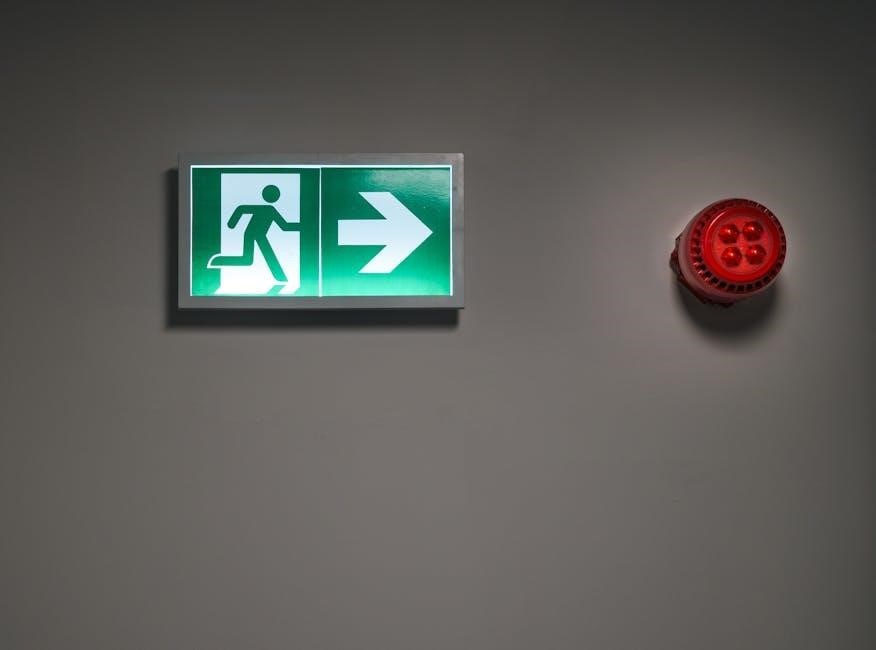
Interconnect Procedure: During installation, connect the three wires (typically red, white, and black) to the designated terminals on each alarm. Proper wiring is crucial for reliable interconnection. Refer to the detailed wiring diagram in the installation guide.
Testing Interconnection: After wiring, test the interconnection by pressing the test button on one alarm. All interconnected alarms should sound. If any alarm fails to respond, recheck the wiring connections.
Regulatory Compliance and Safety Standards
UL Listed: The Firex i4618AC smoke alarm meets the stringent requirements of Underwriters Laboratories (UL), signified by the UL Listing mark. This certification confirms the alarm has been tested and verified to meet nationally recognized safety standards for smoke detection and performance.
Compliance with Standards: This alarm complies with relevant building codes and safety regulations, including those set forth by the National Fire Protection Association (NFPA). Adherence to these standards ensures reliable operation and effective fire warning.
Testing Protocols: Rigorous testing procedures, including thermal, smoke, and durability tests, are conducted during manufacturing to guarantee consistent quality and performance. These tests simulate real-world fire scenarios to validate alarm functionality.
Important Safety Note: While this alarm meets established safety standards, it is crucial to follow all installation and maintenance instructions outlined in this manual. Proper installation and regular testing are essential for optimal protection.
Frequently Asked Questions (FAQ)
Q: What does a flashing red LED indicate? A: A flashing red LED typically signifies the alarm is receiving power but hasn’t detected smoke. It may also indicate a low battery condition or a system error – consult the troubleshooting section.

Q: Can I interconnect multiple Firex alarms? A: Yes, the i4618AC is designed for interconnectivity. When one alarm detects smoke, all interconnected alarms will sound, providing comprehensive warning throughout your home. Refer to the installation guide for wiring details.
Q: How often should I test the alarm? A: We recommend testing your smoke alarm at least once a month by pressing the test button. This ensures the electronic circuitry and audible alarm are functioning correctly.
Q: What if the alarm sounds frequently without smoke? A: False alarms can be caused by dust, insects, or high humidity. Clean the alarm and ensure proper ventilation. If the issue persists, consult the troubleshooting guide.
Q: Where is the best location to install the alarm? A: Install on the ceiling or high on a wall, away from kitchens and bathrooms to minimize false alarms. Follow the detailed placement guidelines in the installation section.
Warranty Information and Customer Support
Warranty Coverage: Your Firex i4618AC smoke alarm is covered by a [Specify Warranty Period ౼ e.g., 5-year] limited warranty against defects in materials and workmanship from the date of purchase. This warranty covers repair or replacement of the unit at our discretion.
Warranty Exclusions: The warranty does not cover damage resulting from misuse, abuse, improper installation, battery leakage, or unauthorized modifications. Proof of purchase is required for all warranty claims.
Customer Support: For assistance with installation, troubleshooting, or warranty claims, please contact our dedicated customer support team. We are available [Specify Support Hours ― e.g., Monday-Friday, 9 AM ― 5 PM EST] via:
- Phone: [Insert Phone Number]
- Email: [Insert Email Address]
- Website: [Insert Website Address ౼ including FAQ section]
We are committed to providing exceptional support and ensuring your safety. Please have your model number and date of purchase readily available when contacting us. Visit our website for additional resources and helpful guides.